
June felt like a month spent in conversation.
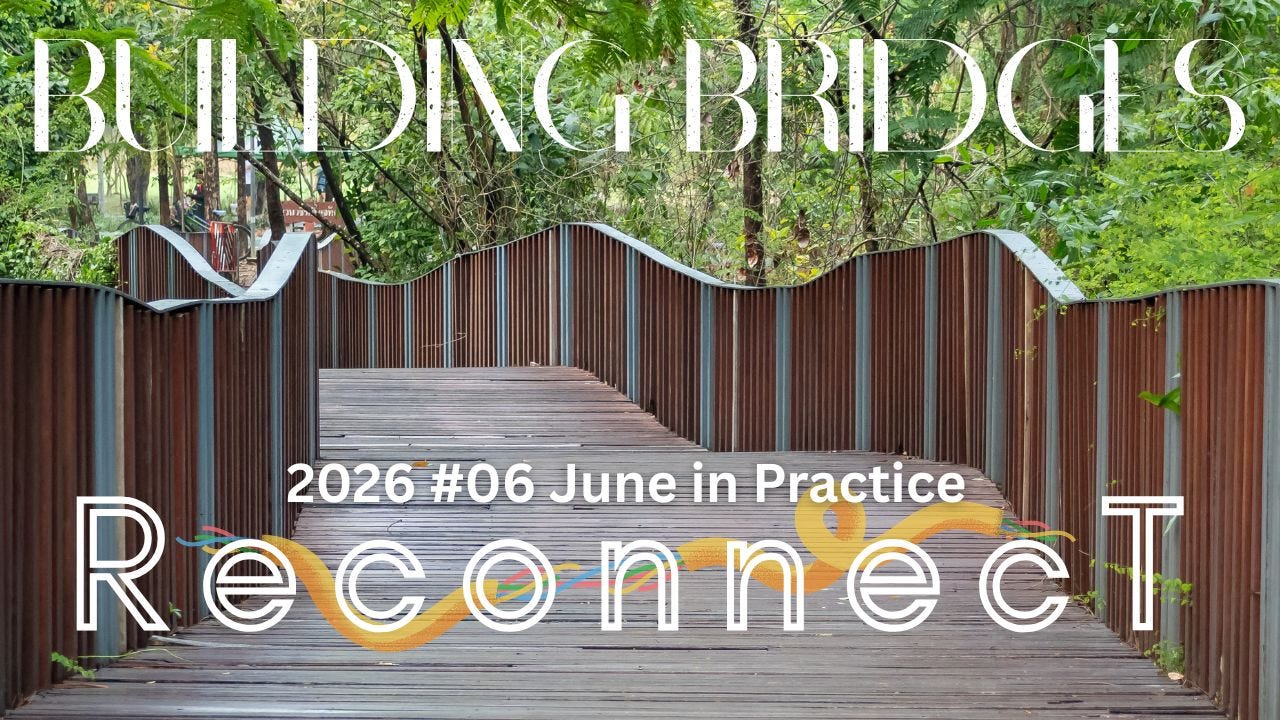
Not one conversation, but dozens. With artists, technologists, producers, trustees, game developers, educators, funders, astronomers and fellow travellers. Looking back through my diary, it strikes me that almost every day involved sitting with someone else’s perspective before returning to my own work carrying another question.
That is one of the ‘responsibilities’ of producing,
Listening.
Composing the Heavens remained the thread running through much of the month. Meetings at Sherwood Observatory, discussions with Brendan Bradley, conversations with partners, revisions following Arts Council feedback and preparations for the British Association of Planetaria Conference all gradually expanded my thinking.
The work became less about the production itself and more about the environment surrounding it.
How might a planetarium become a creative partner rather than simply a venue?
How do we demonstrate public benefit while still leaving room for artistic exploration?
What makes a touring proposition genuinely useful to the organisations that might eventually present it?
Those questions remain unanswered, but June gave them sharper definition.
Alongside this, another conversation was unfolding around virtual spaces.
With Spatial approaching its closure, I found myself exploring alternatives including ENGAGE and FrameVR while speaking with others facing the same uncertainty. It was a useful reminder that digital communities have lived through this before. Platforms evolve, disappear or change direction, but the people who gather within them have a remarkable ability to adapt.
Increasingly I think our role is not to become attached to platforms, but to create communities resilient enough to survive them.
Learning featured heavily throughout the month.
I immersed myself in workshops on digital dramaturgy, conversations about immersive storytelling and discussions around interactive performance. One question stayed with me.
What stories can only exist because of the way they are delivered?
It is a fascinating thought. We often talk about technology as though it is separate from storytelling, but perhaps the medium is capable of becoming part of the dramaturgy itself.
That idea has been following me ever since.
June also marked the beginning of a new chapter as I formally stepped into the role of Studio Producer for Rebello Games.
Rather than seeing it as another project, I began writing myself a handbook.
Not because I have all the answers, but because documenting the questions feels just as valuable. Producers accumulate methods through experience, often carrying them from project to project without ever writing them down. I have started wondering what happens when those methods become shareable.
Could or Should a producer leave behind more than completed productions?
Could or Should they leave behind ways of working?
That thought connects with a broader theme that has been developing throughout the year. Whether I am producing theatre, hosting CuriosityLounge, supporting immersive experiences or exploring hybrid participation, I keep returning to the same idea.
We are not simply making projects.
We are building conditions where people can participate.
Technology appeared throughout the month, of course. VR prototypes, Unity workflows, livestream planning, immersive festivals and AI all found their place in the diary. Yet the technology itself rarely became the destination. My interest remains in what it enables. Better collaboration. Greater access. New ways of gathering around stories.
June also reminded me that good producing often looks deceptively ordinary.
Conversations over coffee.
Notebook pages filled with questions.
A trustee meeting.
A technical demonstration.
A catch-up call.
An afternoon spent refining an application.
None of these moments would make a headline on their own, yet together they gradually shape the direction of a project, a partnership or sometimes an entire practice.
Looking back, I don’t think June was defined by any single achievement.
It was defined by curiosity.
By listening carefully.
By allowing ideas from different disciplines to collide.
By recognising that every worthwhile conversation changes your thinking, if only by a few degrees.
Sometimes progress is measured not by how many answers you collect, but by the quality of the questions you carry into the next month.
Read my previous “Month in Practice” posts
January: Taking Stock
→ observing where I started the year.February: Between Ideas and Implementation
→ translating practice into something usable.March: Where Systems Meet Reality
→ testing ideas under live conditions.April: Finding Connections
→ recognising relationships between projects and disciplines.May: Strengthening Foundations
→ reinforcing the work that will support future activity.June: In Conversation (This post)
→ expanding understanding through dialogue, collaboration and listening.
Follow the It’s Time To Treshnish 2026 series during July
Battles with the algorithm - Treshnish Field Notes • Day 1 of 21